

Sales goals turn a vague ambition like “grow the business” into a number that can actually be hit or missed. Every business owner needs them, whether the store launched last month or has been running for a decade.
This piece covers what sales goals are, examples relevant to eCommerce and SaaS businesses specifically, how to set and achieve them, and the common ways goal-setting goes wrong.
What are Sales Goals?
They act as a guiding principle for anyone running sales, whether that’s a dedicated sales team or a solo store owner checking their own numbers every morning. A sales goal outlines what needs to be accomplished and gives a concrete way to judge whether things are on track.
Sales goals typically point at one of a few things: revenue targets, customer acquisition, or profit margins. Whichever it is, the goal aligns effort and spending toward something specific, rather than a vague sense of “doing better.”
Without a sales goal, a business can still function. It just can’t easily tell whether it’s improving, stalling, or quietly declining.
Why are sales goals important?
Sales goals are the backbone of a sales strategy. Without them, running a business is like sailing without a destination: movement is happening, but there’s no way to tell if it’s in the right direction.
This is because sales goals:
- Provide clarity and direction, so everyone (or, in a small operation, just the owner) is working toward the same number.
- Serve as benchmarks for measuring performance and progress over time, not just in the moment.
- Help identify what’s working well and where adjustments are needed, before a slump turns into a real problem.
- Foster accountability, whether that’s a team held to shared targets or an owner holding themselves to one.
In essence, sales goals aren’t just numbers on a spreadsheet. They keep effort focused, motivated, and aligned with what the business actually needs.
The next section gets specific: real sales goal examples, and how each one applies to an eCommerce or SaaS business.
Sales Goal Examples
Sales goals take different shapes depending on what a business is trying to fix or grow. Here are the ones most relevant to running an eCommerce or SaaS business.
Revenue
Increasing overall revenue is the most fundamental sales goal there is. It can be set as a flat target (total sales volume), an average (average order or deal size), or broken down by product or service line.
Average Order Value (AOV)
AOV measures how much a customer spends per transaction, on average. Raising it, through bundling, upsells, or free-shipping thresholds, grows revenue without needing a single new customer.
Conversion Rate
Conversion rate tracks what percentage of visitors actually complete a purchase. A store can be driving plenty of traffic and still underperform on revenue if this number is low, which makes it one of the more actionable goals to set since small changes (checkout friction, page speed, pricing display) tend to move it directly.
Customer Acquisition Cost (CAC)
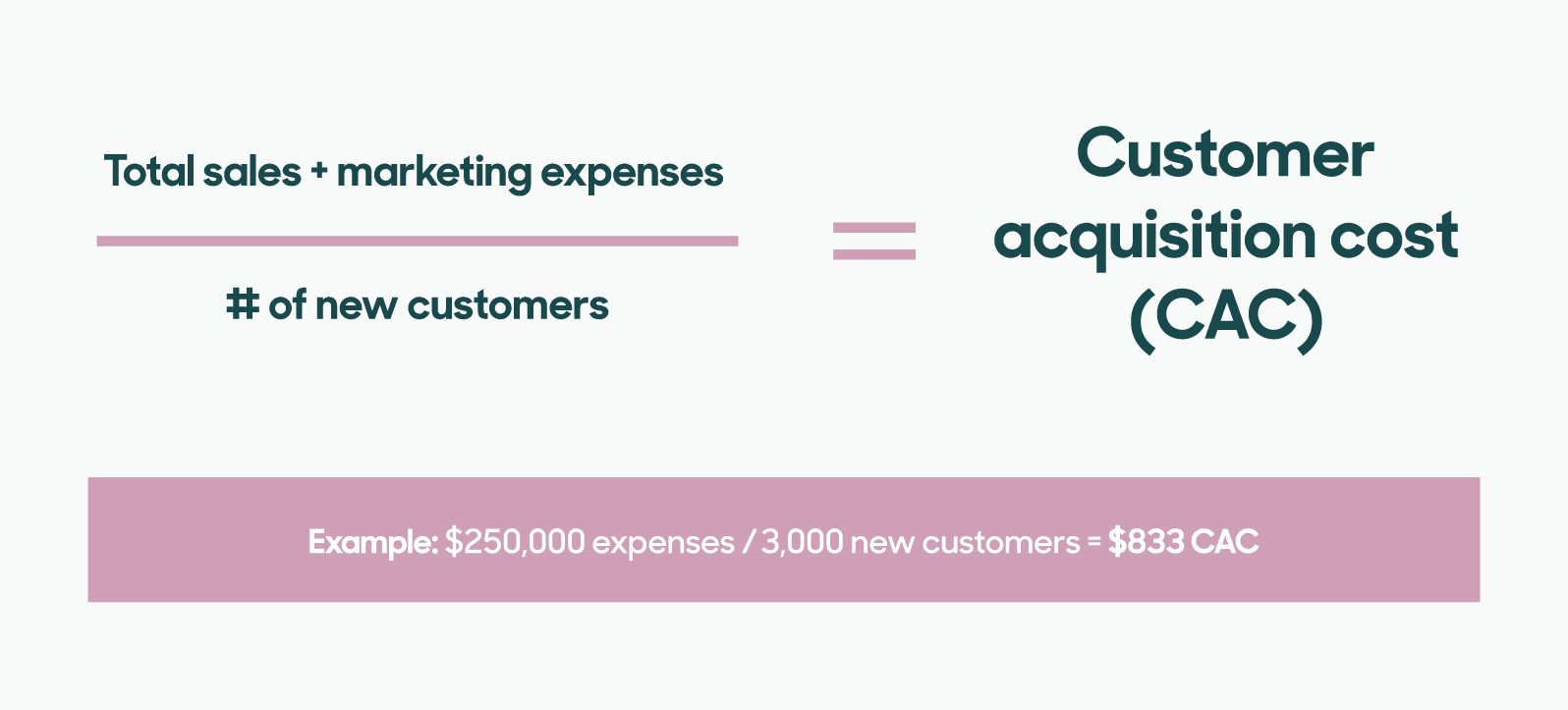
Managing and reducing the cost of acquiring new customers is essential for sustainable growth. Setting a goal to optimize CAC keeps ad spend and marketing budget from quietly outpacing what a new customer is actually worth.
Refund and Return Rate
A rising refund rate eats into revenue in a way gross sales numbers won’t show on their own. Setting a target refund rate, and tracking which products or categories drive it up, turns a vague quality problem into a specific, fixable number.
Customer Retention and Repeat Purchase Rate
Retaining existing customers is consistently cheaper than acquiring new ones. Setting a goal around repeat purchase rate, the percentage of customers who buy more than once, keeps attention on the customers already earned instead of only the next new one.
Customer Lifetime Value (CLV)
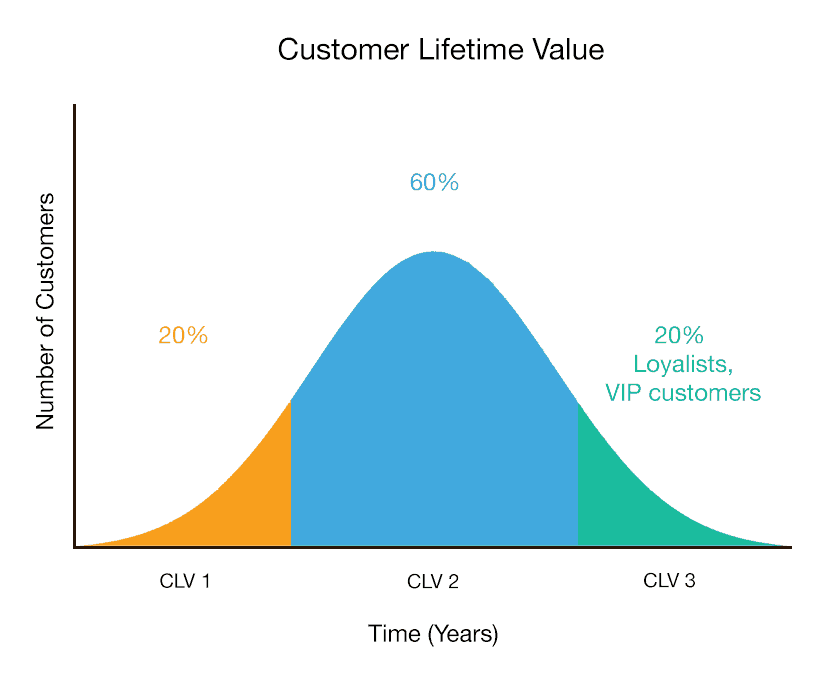
CLV (or CLTV) represents the total revenue a business can expect from a single customer over the full relationship, not just the first sale. Setting a goal to increase CLV means investing in loyalty, repeat purchases, and upsells rather than only the next transaction.
Each of these points at a different lever. Revenue and AOV are about growing what comes in; CAC and refund rate are about what leaks out along the way; retention and CLV are about what a customer is worth over time, not just today.
How to Set Sales Objectives Based on Your Goals
Setting sales objectives that actually align with the goal above is what turns a target into a plan.
Evaluate current performance first
Start by assessing where things actually stand, whether that’s a team’s current numbers or a solo operator’s own sales history. Identifying strengths and weaknesses first is what makes the objective realistic instead of a guess.
Track progress and adjust as you go
Set up a way to monitor progress toward the objective on an ongoing basis, not just at the end of the period. Consistent sales tracking, reviewed on a regular schedule rather than only when something feels off, makes it possible to catch a shift in sales metrics early and adjust the strategy based on real feedback instead of sticking to the original plan out of habit.
Recognize progress, whether that’s a team or just you
For a team, that means recognizing and rewarding people who consistently meet or exceed their targets, which builds a positive, competitive spirit. For a solo operator, it’s worth deliberately noting wins instead of only fixating on what’s still short, since momentum matters even when there’s no one else to celebrate with.
Make the objective fail-resistant
Clear, actionable objectives succeed more often than vague ones. Set clear expectations, and make sure there’s enough support and resources in place to actually hit the target, not just a number written down with nothing behind it.
Following these steps produces objectives that are tailored to the underlying business goal, not just plausible-sounding numbers. That said, some real challenges tend to show up once the process actually starts.
The Common Challenges of Setting Sales Goals
From market dynamics to resource constraints, a handful of recurring obstacles get in the way of hitting sales goals.
Market research
Understanding the target market and competitive landscape is crucial for setting effective sales goals. Without it, objectives end up either unrealistic or misaligned with what the market will actually support.
Setting SMART goals
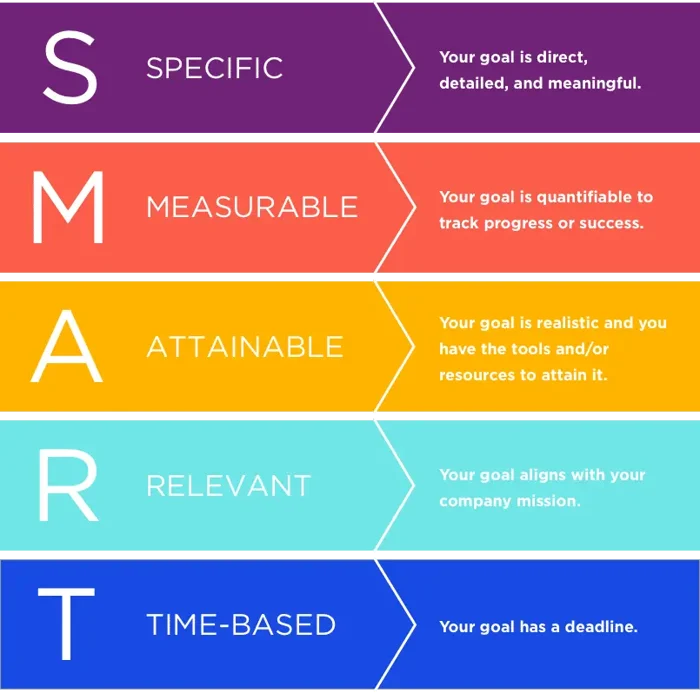
Setting goals that are Specific, Measurable, Achievable, Relevant, and Time-bound (SMART) is widely recommended for good reason. It’s also harder than it sounds; hitting all five criteria at once takes more thought than picking a number that feels ambitious.
Choosing the right strategy and tactics
With no shortage of strategies and tactics available, picking the ones that actually fit the goal and the available resources takes real judgment. Some trial and error is normal here, not a sign something’s wrong.
Time and budget management
Balancing time and budget constraints while pursuing an ambitious sales goal takes deliberate planning. Manage these poorly, and even a well-designed goal can quietly become unreachable.
Subscription renewals
For SaaS and subscription businesses specifically, managing renewals adds real complexity to goal-setting, since revenue depends on retaining customers over time, not just closing new ones. That makes churn and renewal timing worth building into the goal itself, not treating as a separate problem.
Adapting to changing conditions
The business landscape shifts constantly, and unforeseen changes (a platform policy update, a shift in ad costs, a new competitor) can throw off a sales goal that looked solid when it was set. Flexibility, and a willingness to revisit the goal rather than force the original number, is what keeps it useful.
Addressing these obstacles directly is what turns a sales goal from a hopeful number into an achievable one. Next: the actual roadmap for getting there.
How to Achieve Sales Goals
Achieving a sales goal takes a strategic approach and disciplined execution, not just a number written down somewhere.
- Set clear objectives. Start by defining a clear, specific, and measurable sales objective. For example, instead of aiming to “increase sales,” set a goal to “increase monthly sales by 15% compared to the previous quarter.” The objective should align with the overall business goal and be achievable within the given timeframe.
- Develop actionable plans. Break the objective down into concrete steps. For instance, if the goal is to grow sales by expanding into a new market, the plan might include market research, lead generation, and outreach tactics suited to that market. Assign responsibilities, set deadlines, and allocate resources accordingly.
- Implement the right strategy. Choose tactics based on the target market, the product or service, and the competitive landscape. For example, a younger demographic usually responds better to social media marketing and influencer partnerships than to traditional channels. Evaluate and refine the approach continuously rather than locking it in and forgetting about it.
- Use the right tools. The right analytics and automation tools cut down on repetitive manual work and surface insights into customer behavior and market trends that would otherwise stay buried in spreadsheets. For instance, an analytics tool that automatically tracks sales data across every channel removes the need to manually reconcile numbers before even getting to the analysis.
- Train the team, or invest in your own skills. Training and development make the difference between a goal that’s aspirational and one that’s actually reachable. For example, regular workshops or access to online courses can sharpen sales technique and product knowledge, whether that’s for a team or a solo operator learning as they go.
- Monitor progress and adjust. Regularly track and analyze sales KPIs (Key Performance Indicators) to check progress toward the goal. For instance, watching conversion rate, average order value, and refund rate together tends to surface problems faster than looking at revenue alone. Be ready to adjust the strategy as the data changes, not just when the period ends.
- Stay focused and persistent. Setbacks are normal, whether that’s a slow month, a platform algorithm change, or a marketing push that underperforms. Staying focused on the underlying objective, and adjusting tactics rather than abandoning the goal, is usually what separates the businesses that hit their numbers from the ones that don’t.
Sticking with these steps consistently is what actually moves a sales goal from an aspiration to a result.
Why Your Store’s Dashboard Won’t Track This For You
Setting a sales goal is one thing. Actually watching progress toward it, without manually checking numbers and doing the math by hand, is another.
Most store platforms don’t do this natively. On Shopify’s own community forum, a merchant asked, in plain terms, for a way to set a sales goal on the admin home page and see progress toward it, because the feature simply didn’t exist. That request has sat unresolved. It’s not a niche complaint: wanting to glance at a dashboard and see “62% to goal, 9 days left” is about as basic a need as it gets, and most platforms still make store owners build that themselves in a spreadsheet.
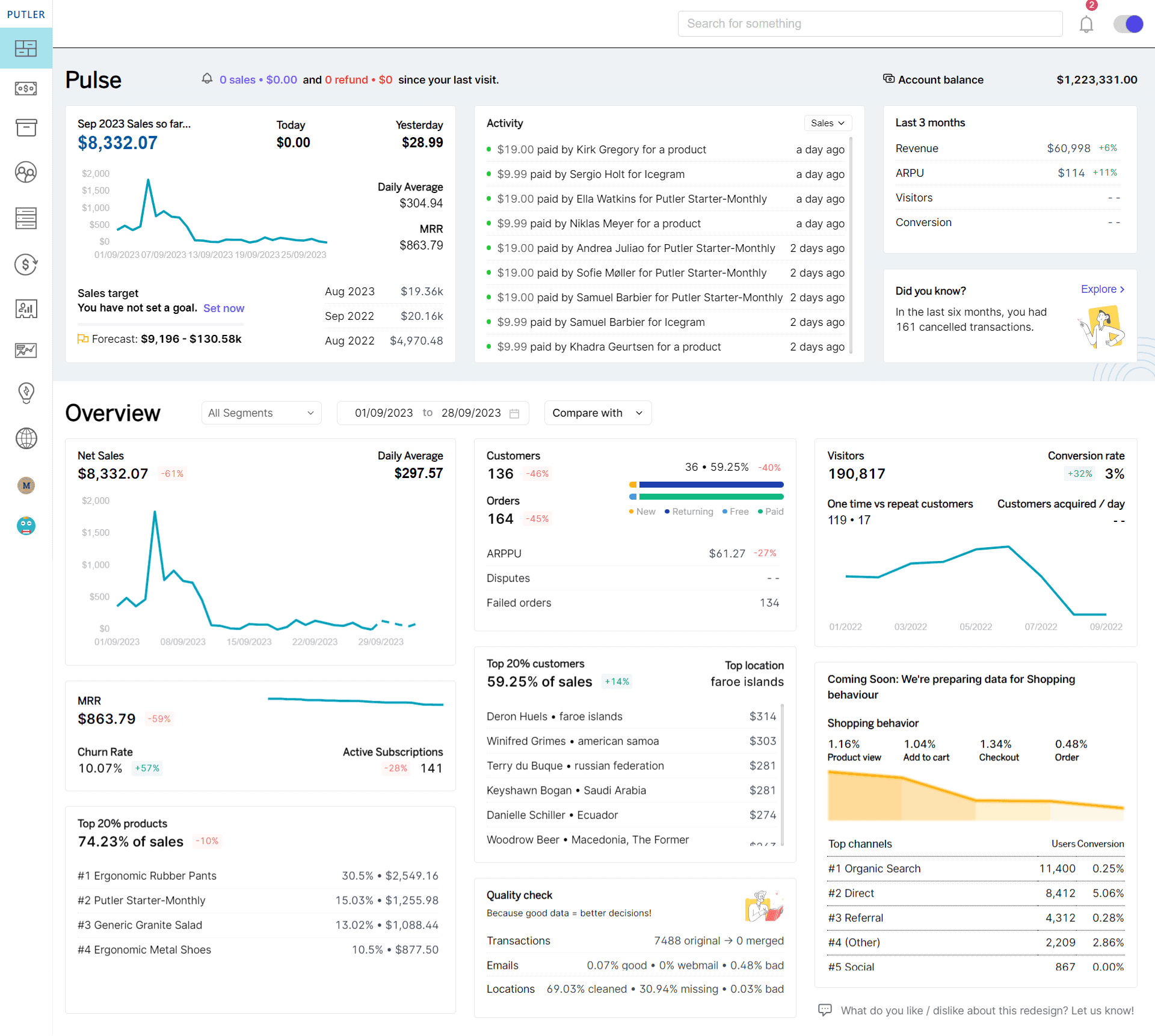
This is where a dedicated analytics layer earns its keep. Putler, with its suite of advanced analytics and forecasting features, is built for eCommerce and SaaS businesses with goal-tracking included, not bolted on as an afterthought.
Tracking and Achieving Sales Goals with Putler
Sales Forecasting

Putler’s sales forecasting tool projects sales performance up to 12 months ahead, based on historical data. That makes it possible to set a goal that’s actually grounded in a trend, rather than a number picked because it sounded reasonable.
Monthly Sales Goal Tracking
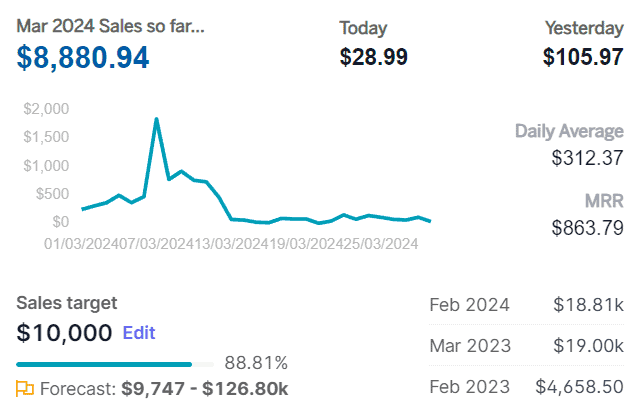
On Putler’s home dashboard, monthly sales goals can be set directly, with progress tracked automatically against actual sales as they come in. This is the exact gap the Shopify forum thread above was asking someone to fill.
Weekly Email Updates
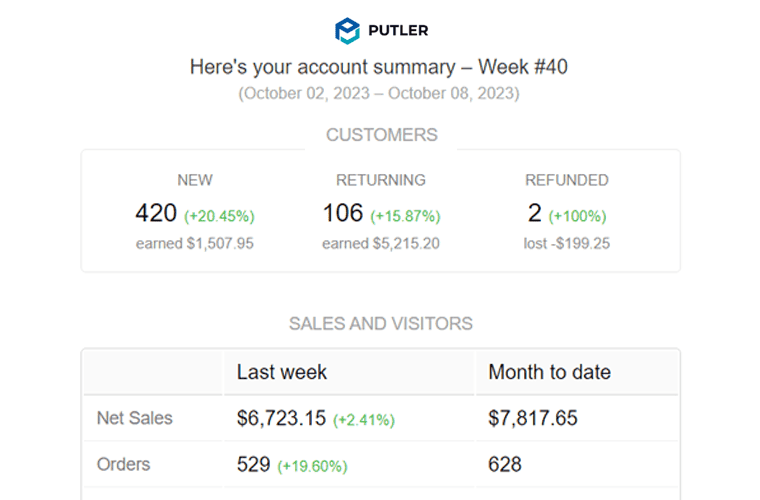
Putler sends a weekly update on important events and trends, which means checking in on goal progress doesn’t require remembering to open the dashboard at all.
Together, these three features cover the full loop: setting a realistic goal, tracking it automatically, and staying informed without manual check-ins.
Final Thoughts
Strategic goal-setting is a cornerstone of growth.
That becomes clearer once the full picture comes together: understanding why sales goals matter, working through the common challenges, and having the right tools in place to track progress without extra manual work.
As the sales landscape keeps shifting, clarity, adaptability, and the right tools are what keep a goal achievable instead of aspirational.
With those in place, hitting a sales goal becomes a matter of execution, not guesswork.