

Ranking on Amazon’s first page is a tough but crucial challenge for any seller aiming to succeed. Listing your products isn’t enough; you need to master Amazon SEO and create listings that attract and convert.
Learning how to increase sales on the Amazon marketplace means mastering these elements. Tracking the right Amazon analytics helps you see what’s working and where to improve.
This guide covers the key strategies for optimizing your Amazon presence. Whether you’re new or seasoned, these tips will help you boost your rankings and increase sales on Amazon.
How to increase sales on Amazon Marketplace: tested strategies
Knowing how to boost sales on Amazon takes a mix of strategic planning and tactical execution. Here are tested strategies for selling on Amazon to help you improve visibility, attract more customers, and grow revenue.
Learn Amazon SEO
Ranking on the first page for your key keywords isn’t easy, but it’s essential. You have to optimize every part of your listings to align with Amazon’s search algorithm. This is central to increasing organic sales on Amazon.
Go beyond adding keywords at random. Be precise with your product titles, bullet points, backend keywords, and more. Use professional keyword tools to find valuable, high-converting terms based on data.
The SEO work doesn’t stop there. Hold your rankings by regularly updating your content, monitoring performance, and making adjustments to improve your position in search results. Hiring an Amazon SEO expert can help you reach the top spots.
Master copywriting
Visibility is one thing, but if your listings don’t convert, you’re leaving sales on the table. Write descriptions that emphasize benefits and create urgency, so buyers want to purchase right away.
Go beyond listing features and tap into emotional triggers. Effective copywriting is a critical step in increasing sales on the Amazon marketplace. If you need help, resources like YouTube and other blogs can sharpen your skills.
Instead of rewriting listings wholesale, make small changes to headlines, bullet points, and calls to action to see what lifts conversion rates.
Increase sales with smart bundling
Raising your average order value is simpler with strategic product bundling. Offering complementary products improves the shopping experience and drives more sales.
First, identify which products customers frequently buy together. Use Putler to get insights on products that pair well.
Use those insights to build Amazon product bundles or suggest complementary items in your descriptions. Customers appreciate the convenience.
Build a comprehensive marketing strategy
Don’t rely on Amazon alone. Successful eCommerce businesses use a full-funnel, omnichannel marketing strategy.
Start by building a strong presence on social platforms like Facebook and Instagram. Use shoppable posts and influencers to build brand awareness. Create engaging content, run ads, and keep your audience engaged.
Expand your marketing to include email campaigns, organic SEO, YouTube collaborations, and other channels that resonate with your audience. Link everything back to your Amazon store to drive more traffic and sales.
Perfect your promotion timing
Time your promotions to land when customers are most active, which increases their effectiveness.
For this, use sales heatmaps that highlight the busiest shopping times. This lets you schedule promotions to grow sales on Amazon.
You can time your promotions, flash sales, and marketing campaigns during peak traffic periods for maximum impact and engagement.
Understand how Amazon’s algorithm works
Selling on Amazon without understanding its algorithm is risky and expensive. You need to understand how Amazon’s search ranking and Featured Offer criteria work.
Mastering this is a large part of the answer to “how to increase sales on the Amazon marketplace.” Analyze which factors influence rankings and how price optimization affects results.
You can work this out yourself, but hiring an expert Amazon marketing agency can help. They can decode the algorithm and build strategies to improve your performance.
Amazon’s ranking algorithm: what matters now
Amazon’s search algorithm has evolved well beyond the early days that SEO circles nicknamed “A9.” The informal “A10” label refers to that ongoing evolution rather than an official Amazon release, so treat it as shorthand, not gospel. What matters is where the weight sits today.
Key ranking factors
- Sales velocity: Products that sell consistently rank higher than those with sporadic sales. Amazon rewards momentum over occasional spikes.
- External traffic: Traffic from outside Amazon carries real weight. Social media, email campaigns, and Google searches that lead to your listing signal product demand.
- Seller authority: Your overall account health, history, and performance metrics influence individual product rankings.
- Organic sales ratio: Sales from organic searches carry more weight than PPC-driven sales. Paid ads help visibility, but organic conversions build lasting rank.
- Click-through rate: Products clicked more often from search results signal relevance to Amazon’s algorithm.
- Conversion rate: High-converting listings prove to Amazon that your product satisfies customer intent.
How the emphasis has shifted over time
- Less PPC dependency: Earlier versions leaned heavily on advertising spend. The current algorithm balances that with organic performance signals.
- More external traffic value: Driving traffic from social media, blogs, and email now directly affects your Amazon rankings.
- Seller history matters more: New sellers face a longer runway to rank than established accounts with proven track records.
- Relevance over revenue: Amazon prioritizes showing customers the most relevant products, not just the highest-grossing ones.
How to optimize for it
- Build external traffic sources: Create social media content, run Google ads to your listings, and build an email list that drives Amazon purchases.
- Focus on organic conversions: Improve your listing quality so customers buy without needing ad prompts.
- Maintain account health: Keep your metrics clean. Late shipments, negative feedback, and policy violations hurt your ranking potential.
- Encourage repeat purchases: Returning customers signal product quality to the algorithm.
Use long-tail keywords
High-traffic single-word keywords are competitive and costly, but long-tail keywords can be your secret weapon.
Focusing on specific, niche long-tail keywords helps attract valuable traffic and improve conversion rates.
Create a content calendar around these long-tail keywords. Write blogs, make videos, and create listicles optimized for these terms. Use tools like AlsoAsked.com to find long-tail keyword ideas.
Focus on key metrics
Not all metrics matter equally. Focus on the ones that move revenue: churn rate, lifetime value, and average order value.
If your churn rate is weak, improve your retargeting. If LTV is low, strengthen your customer service. Small increases in average order value add up to significant revenue gains.
Identify customer segments
Understanding your customer segments is crucial. Knowing your top customers and those who need attention lets you tailor your marketing, saving time and resources.
This helps you identify your most loyal customers and those who are leaving. Use the data to create personalized promotions: exclusive previews for your Champions and discounts for your At risk customers to re-engage them.
Use high-quality visuals
High-quality images are essential for attracting buyers and lifting conversions, and a strong visual set is one of the simplest drivers of an Amazon sales increase. Invest in professional photography and image editing for your listings.
Use multiple angles, styled photos, and lifestyle shots to make your listings stand out.
Master your SLA drills
A strong seller reputation on Amazon rests on a rock-solid Service Level Agreement (SLA). That means fast order fulfillment and clear communication about any delays.
Avoiding SLA violations is crucial, since they can damage your credibility with customers. Use management tools like eDesk to monitor your shipping performance and handling times in real time.
Catching and correcting slip-ups promptly protects your customer experience and your metrics. A strong SLA builds trust with your audience. Failing to maintain it means wasting your promotional and SEO budgets on customers who leave disappointed.
Featured Offer (Buy Box) strategies
The Featured Offer, still widely called the Buy Box, generates roughly 80% of Amazon sales. Amazon officially rebranded it to “Featured Offer” in 2023, so that’s the term you’ll see in Seller Central, though the industry still uses both. If you’re not winning it, you’re losing most potential customers to competitors.
What changed in 2026
Amazon began removing the standalone Featured Offer eligibility gate in July 2026, rolling it out globally through the end of the year. Previously, an account whose performance metrics dipped below a set bar was blocked from competing at all. Now that pass/fail gate is gone. Every offer enters the ranking directly, and metrics like Order Defect Rate and chargeback rate become weighted inputs inside one ranking score rather than a separate filter.
The practical takeaway: account health matters as much as ever, but it now competes continuously on every offer instead of qualifying you once. Keep your metrics clean at all times, because there’s no longer a threshold to hide behind.
Performance metrics Amazon weighs
These are the account-health signals that feed the ranking. Keep them strong.
- Order Defect Rate: keep it below 1%. It combines negative feedback, A-to-Z Guarantee claims, and chargebacks, and it’s the metric Amazon watches most closely.
- Late Shipment Rate: keep it below 4%.
- Valid Tracking Rate: keep it above 95%.
- Pre-fulfillment Cancel Rate: keep it below 2.5%.
- Product condition: new and renewed items compete for the main Featured Offer. Used products have a separate “Used Buy Box.”
- Seller plan: individual accounts can’t win the Featured Offer. You need a Professional account.
Factors that determine the winner
Amazon rotates the Featured Offer among offers based on multiple factors.
- Landed price: total price including shipping, not sticker price. You generally need to stay within about 5% of the lowest qualified offer. Lower isn’t always better, but uncompetitive pricing rules you out.
- Fulfillment method and speed: FBA and Seller-Fulfilled Prime have a structural advantage because Amazon trusts fast, reliable delivery. Delivery speed has become as decisive as price.
- Shipping speed: faster delivery increases your Featured Offer share. Prime eligibility is a major advantage.
- Seller feedback: higher scores and more reviews build trust with the algorithm.
- Inventory depth: running out of stock loses the Featured Offer immediately. Consistent availability matters.
Tactics to win more Featured Offer share
- Use FBA when it fits: Fulfillment by Amazon significantly increases your win rate. For lower-velocity or bulky items, FBM can still be the right call, so choose per ASIN.
- Price competitively, not cheaply: Match or stay within a few percent of the lowest landed price. Racing to the bottom destroys margins without guaranteeing the box.
- Automate repricing: Tools like RepricerExpress or Informed.co adjust prices in real time based on competitor movements.
- Maintain inventory levels: Use forecasting to restock before running out. Stockouts reset your momentum.
- Improve feedback scores: Follow up with customers professionally and resolve issues quickly.
What to do when you lose it
- Check your pricing: Compare your landed price (product plus shipping) against competitors.
- Review account health: A recent metric slip may have lowered your ranking score.
- Verify inventory: Even temporarily showing out of stock can cost you the box for a while after restocking.
- Watch the rotation: Amazon rotates among offers. If your metrics are solid, your share may recover as the ranking re-evaluates.
How can data analytics amp up your game?
Amazon’s vast marketplace and heavy competition demand a strategic approach. Advanced data analytics tools like Putler provide the insight needed to optimize operations, target the right customers, and improve overall sales performance on Amazon.
Here’s how to use Putler to grow sales on Amazon.
Identify top products
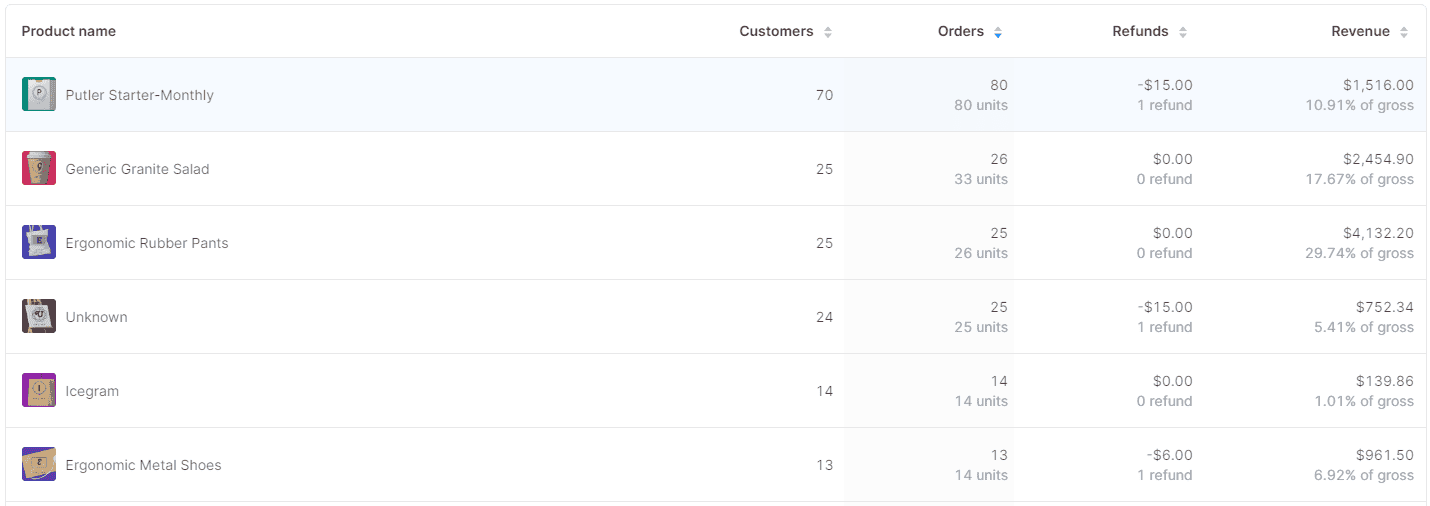
Putler helps you quickly find your top-selling products, which likely account for 80% of your revenue.
Focus your marketing and inventory efforts on keeping those hot sellers well-promoted and fully stocked to meet demand and drive more sales. Use these insights alongside proven methods to find best-selling products on Amazon for expanding your catalog.
Reduce refund rates
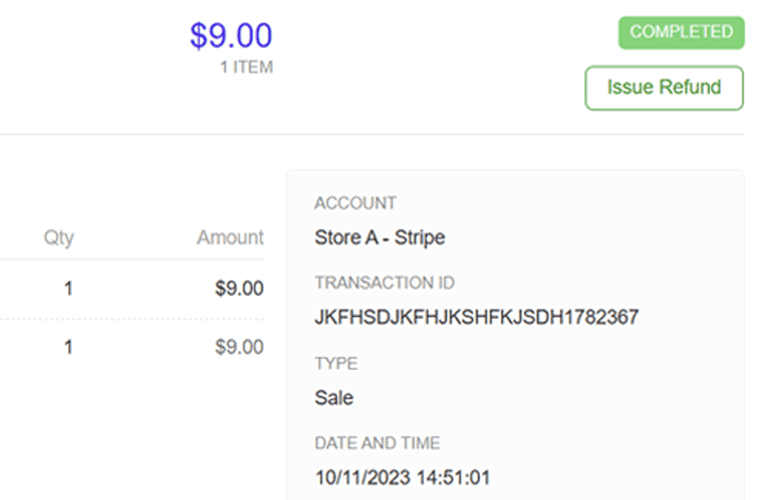
High return rates hurt your business. Putler shows you the specific products getting refunded the most, so you can identify and fix quality issues, wrong sizing information, or other problems causing those returns.
Improving product quality and descriptions reduces refunds and keeps more revenue. You can export Amazon orders for deeper analysis in spreadsheets or accounting tools.
Implement precision marketing
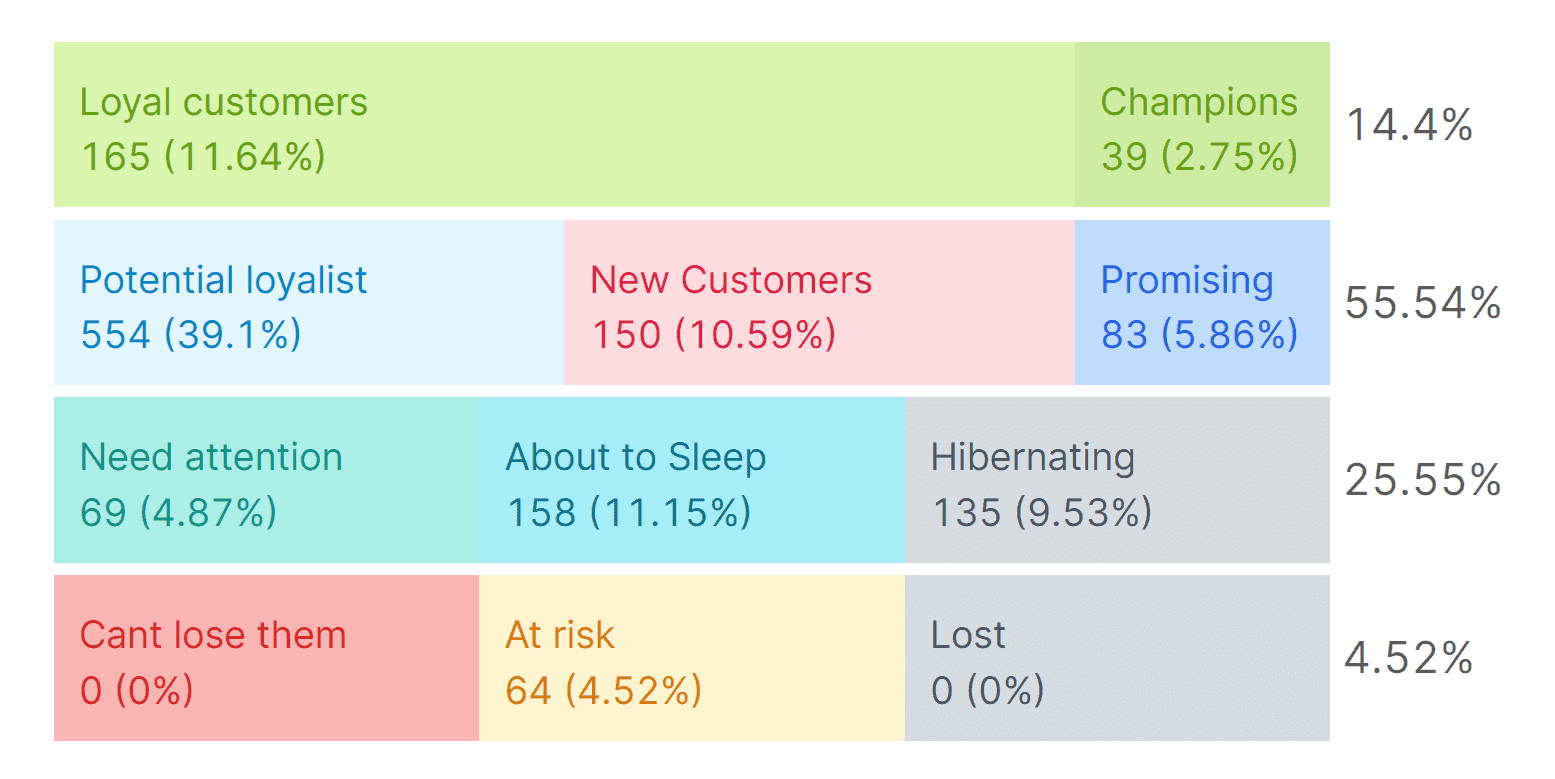
Using RFM analysis, Putler segments your customers by how recently, how often, and how much they purchased.
You can then tailor marketing with exclusive offers for your Champions and win-back campaigns for At risk customers.
Enhance customer experience
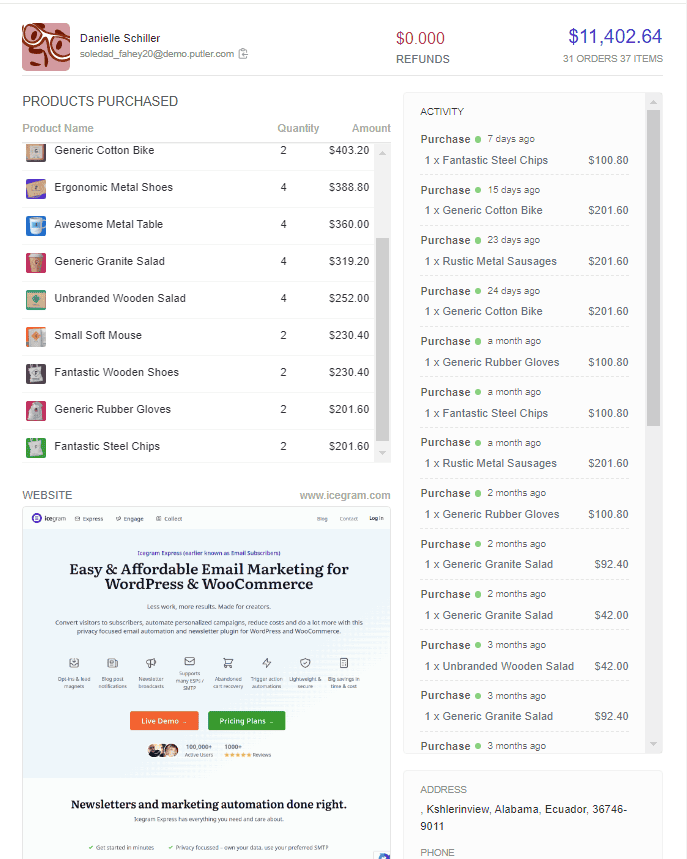
Comprehensive customer profiles give you insight into purchase histories and behavior. That enables data-driven marketing and lets you personalize your brand’s approach to increase conversions and loyalty.
Monitor conversion rates
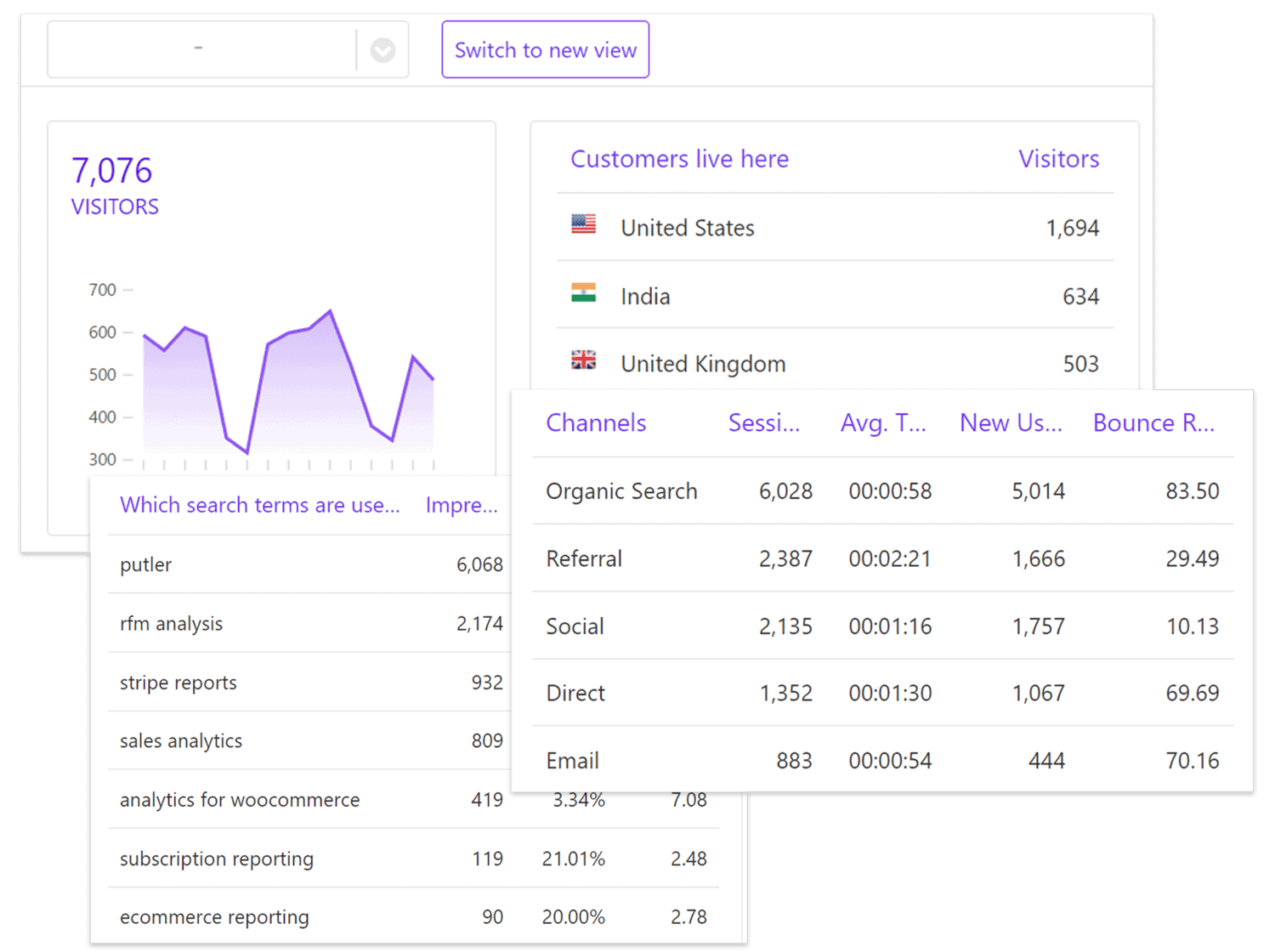
Track visitor stats and conversion rates to find friction points in your sales funnel. Putler also surfaces your most popular pages and top search terms so you can optimize content.
For this, you need your GA connected to your Amazon store.
Conclusion
Amazon SEO and eCommerce success demand ongoing effort and strategic adaptation. It’s not just about visibility; it’s about engaging and satisfying your customers.
Knowing how to increase sales on the Amazon marketplace takes continuous learning and application. Use long-tail keywords, master the Featured Offer, and use data analytics like Putler for informed decisions.
Putler provides the analytics to optimize your operations, target the right customers, and maximize your sales potential. Seek professional help when you need it, stay ahead of the competition, and grow your Amazon business.